Skip to content
-
-
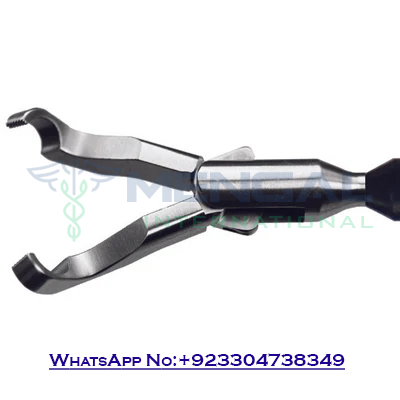
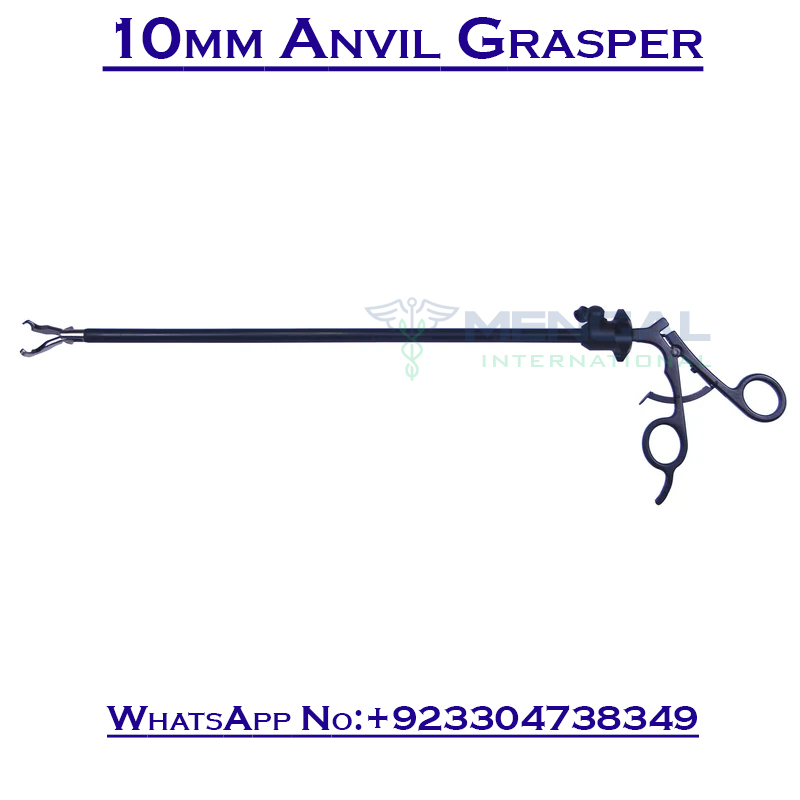
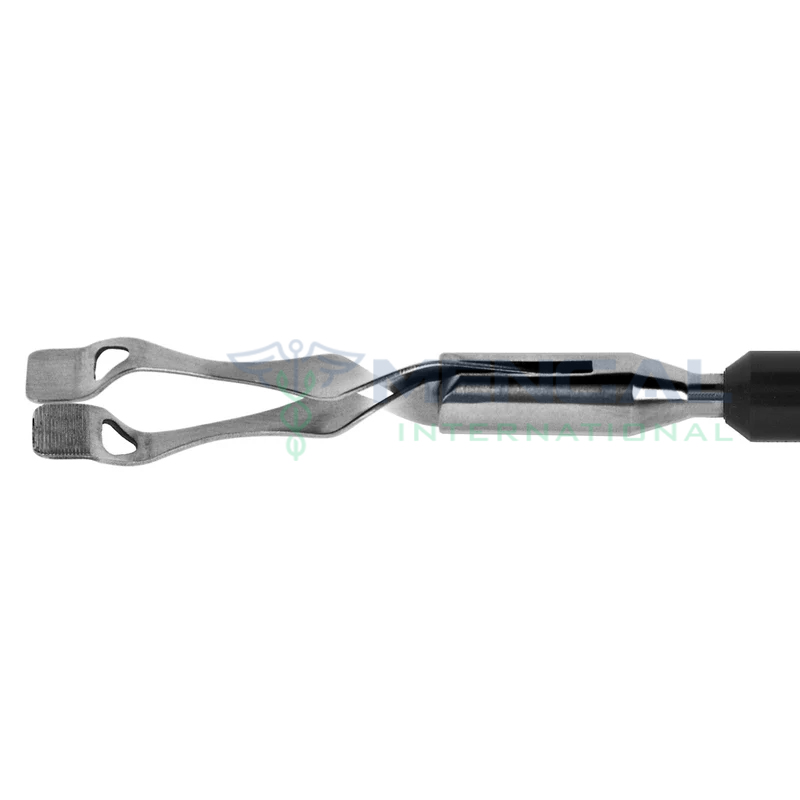
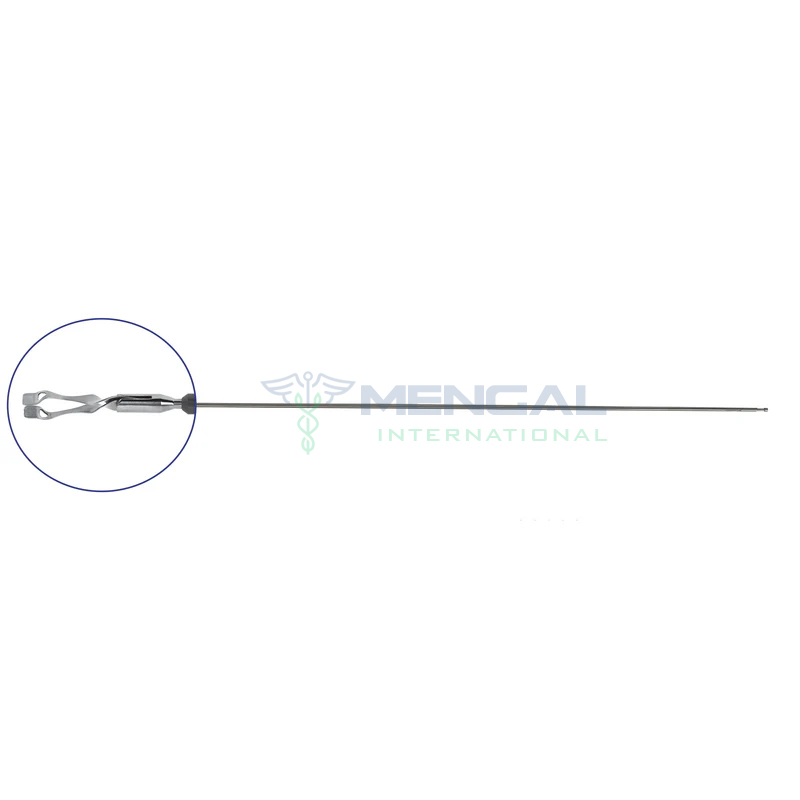
- This is a very specialized device. It is designed to do one thing; hold the rod of the anvil in laparoscopic procedures that utilize a circular stapling device. Size: 10mm*36cm 10mm*45
-
-
- Perhaps this is the most atraumatic Babcock available. In addition to the "paddle" jaws which spread the force out to a larger surface, the shanks of the jaw twist in a way that causes the tips to bend out away from tissue when additional force is applied to the handle. Size: 5mm*36cm 5mm*45cm
-
-
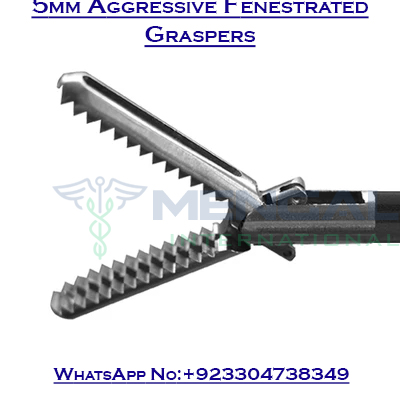
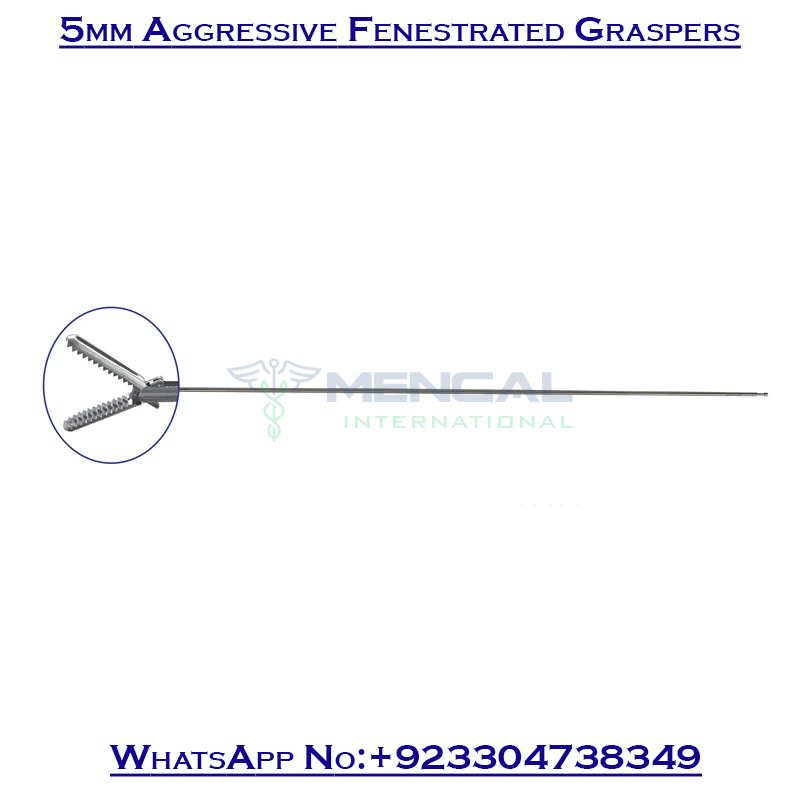
- The longer teeth on the serrations of this pattern make it more aggressive and its use should be limited to thick walled gall bladders, heavy gyn tissue and organs that will be removed. Size: 5mm*36cm 5mm*45cm
-
-
-
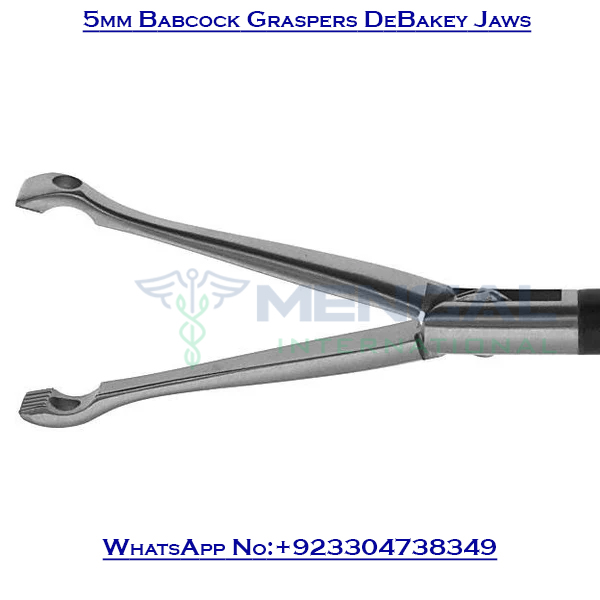
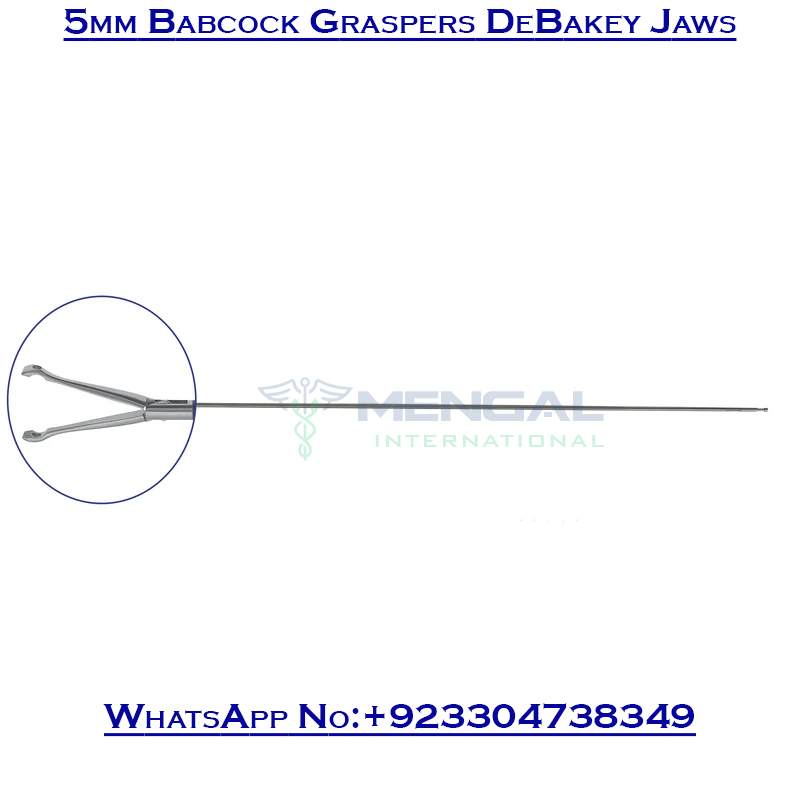
- Like the Allis Tissue Forceps, the Babcocks have evolved from a traditional surgical instrument. Traditionally used on Gastric and Intestinal Tissue, they are found in virtually all Bariatric, Colon, and Rectal and Abdominal sets. The Deluxe line features very atraumatic DeBakey Vascular Jaws. The two-piece line has serrated jaw. Size:5mm*36cm 5mm*45cm
-
-
- This is a down-sized version of the 91605 for use on Gall Bladders done with all 5mm (or smaller) instruments. This pattern can also be used as a tissue forceps Size: 5mm*36cm 5mm*45cm
-
-
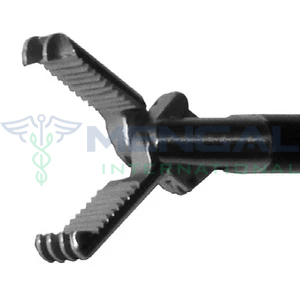
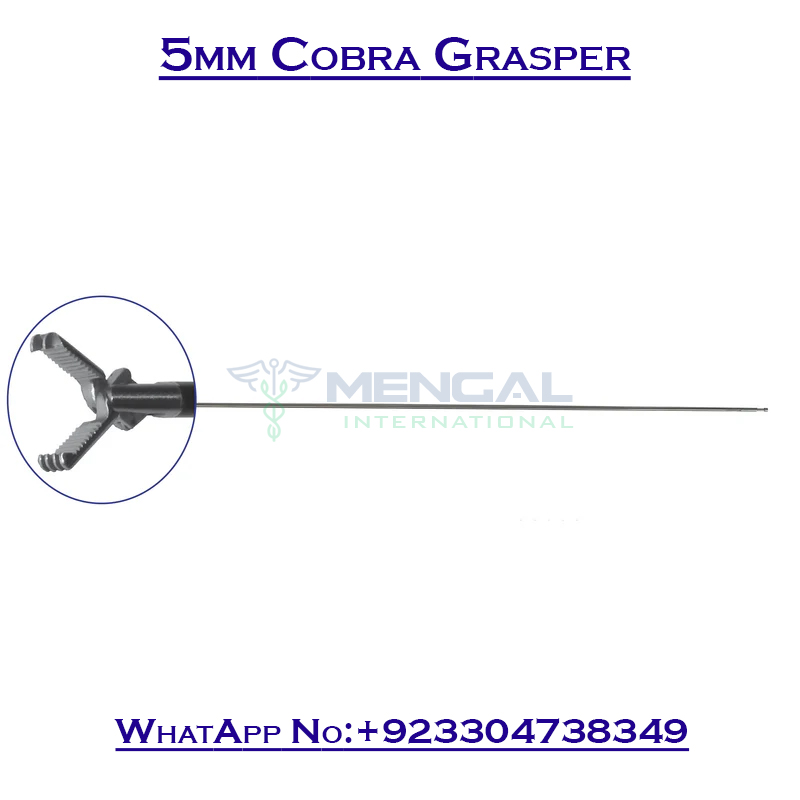
- The Cobra has somewhat aggressive teeth and can still be used on most tissue in the abdomen. It acts very much like a tissue forcep in open surgery. However, like open surgery tissue forceps, the surgeon will only take very small "bites" of the peritoneum covering the target tissue. Often called a "Retention Grasper" Size: 5mm*36cm 5mm*45cm
-
-
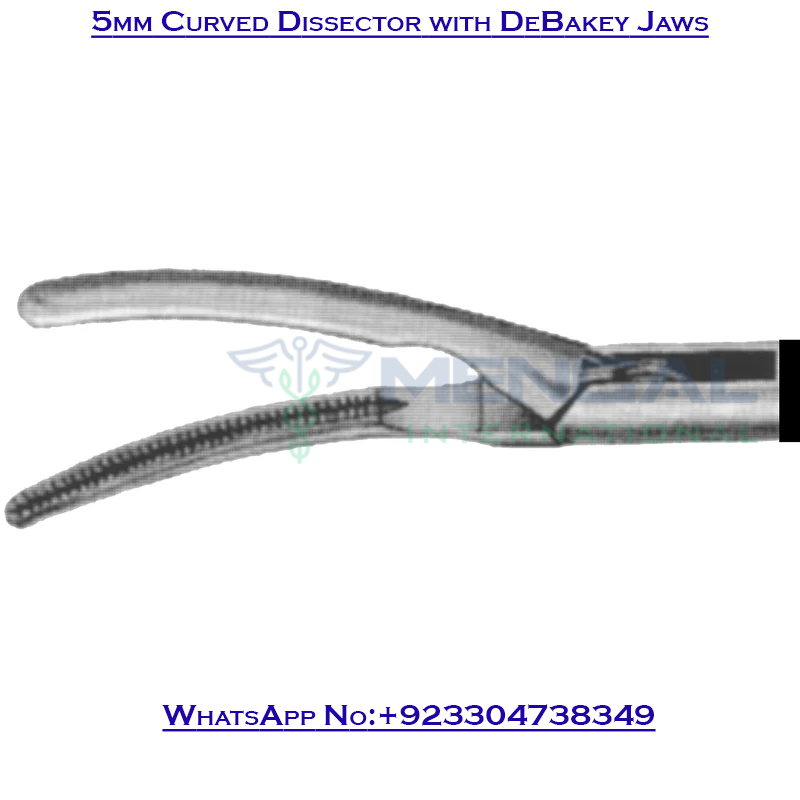
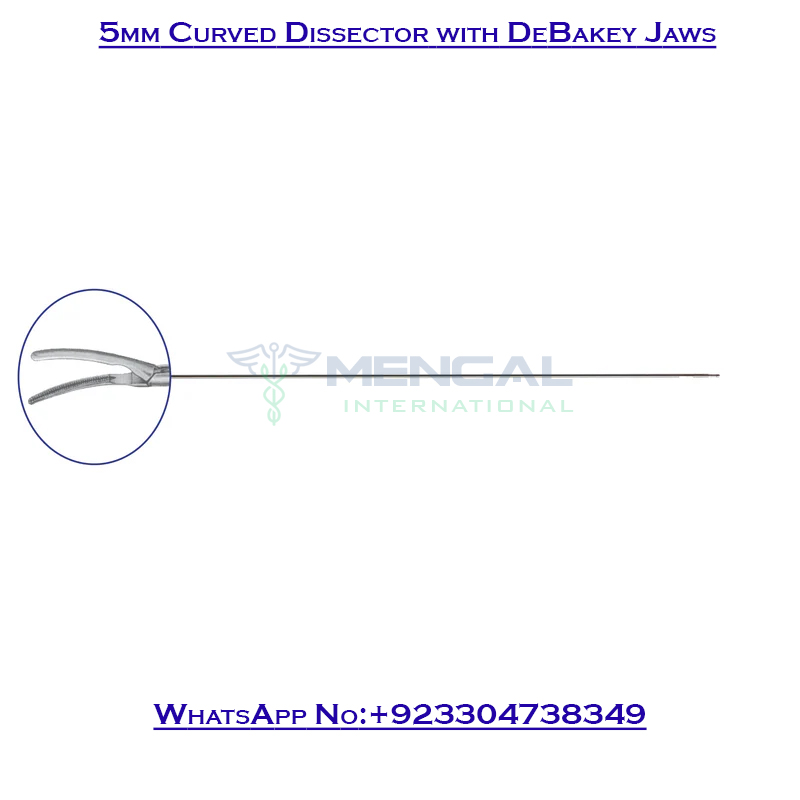
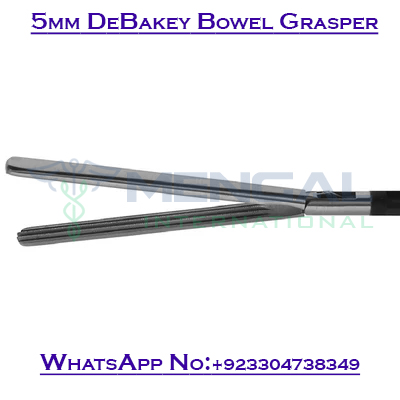
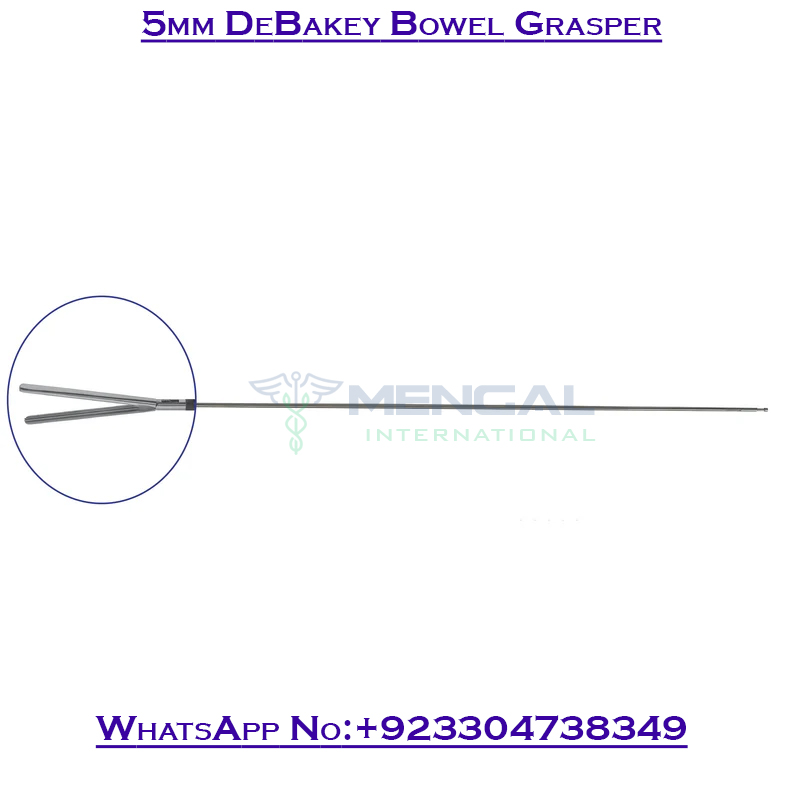
- The jaws of this dissector have DeBakey teeth. These teeth were originally designed to clamp across blood vessels and are extremely non-traumatic. As such they can be used to grasp blood vessels and bowel with little concern for damage. They are used by all specialties. Size: 5mm*36cm 5mm*45cm
-
-
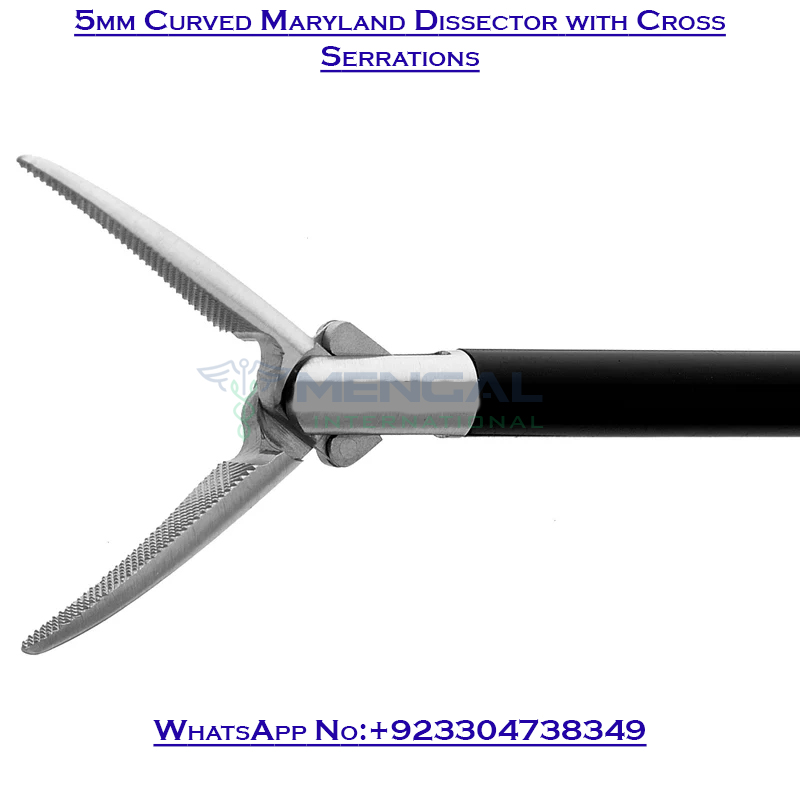
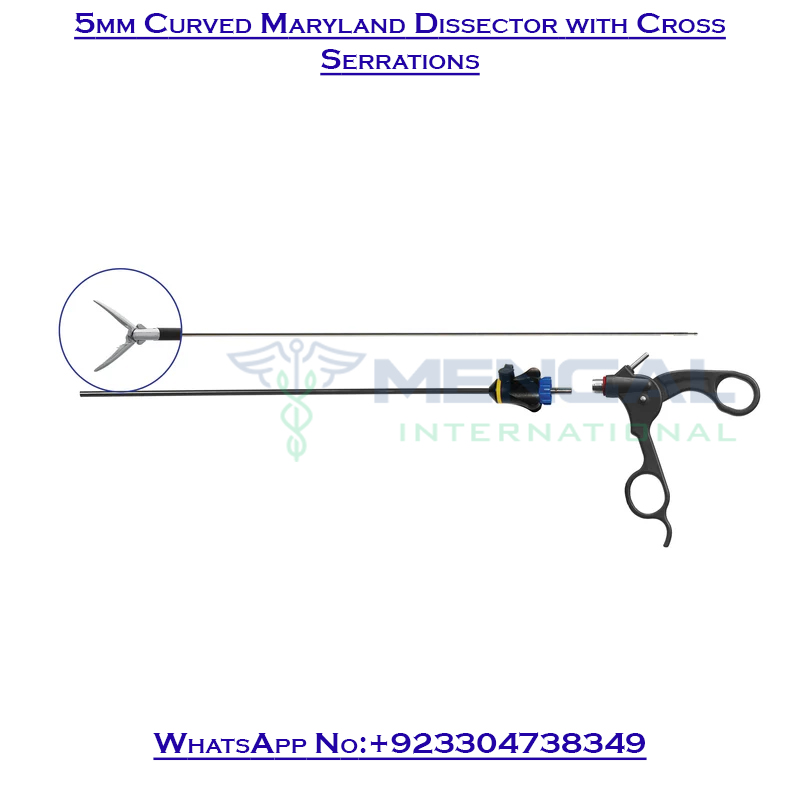
- This is the most commonly used dissecting forceps in laparoscopic surgery. Usually known as a Maryland, some surgeons call it a Crile. It has a fine tip for grabbing a small bit of peritoneum, but a relatively long length allowing it to spread very wide when used for blunt dissection. It is often used with its monopolar feature. Used by…
-
-
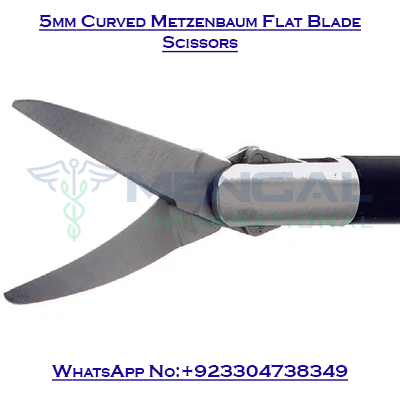
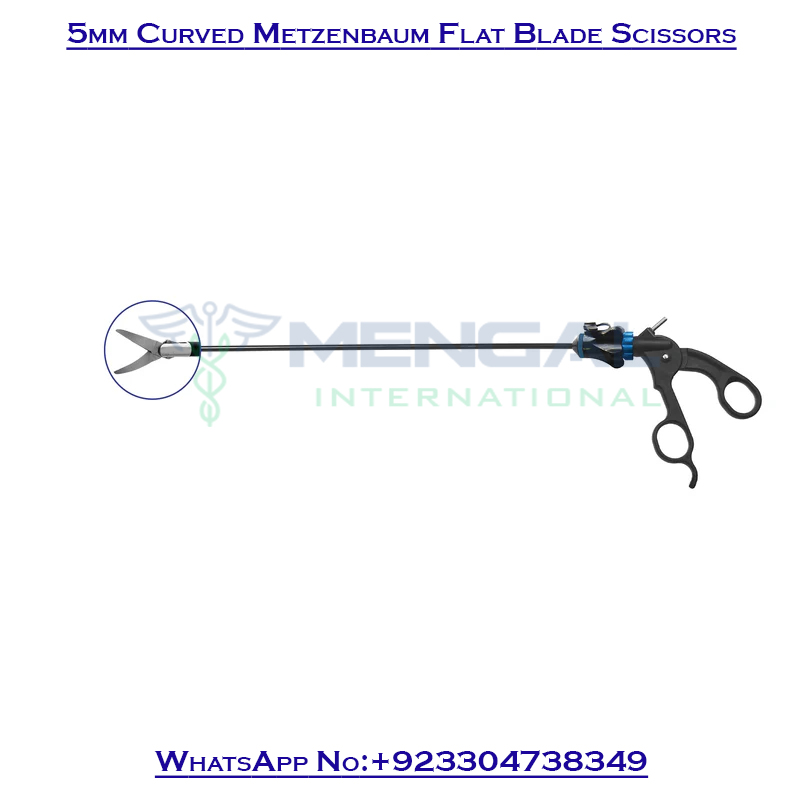
- This is the standard/cutting dissecting scissor used in laparoscopy. The flat blades allow easy insertion between tissue planes and the curve allows better surgeon observation of the tips when looking down the shaft of the instrument through a laparoscope. It is used in virtually all specialties doing laparoscopic surgery. It is often used to coagulate tissue with monopolar electrocautery. Size:…
-
-
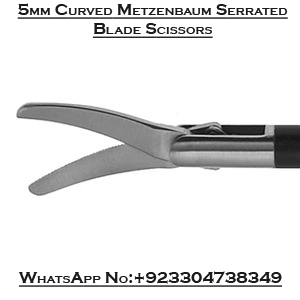
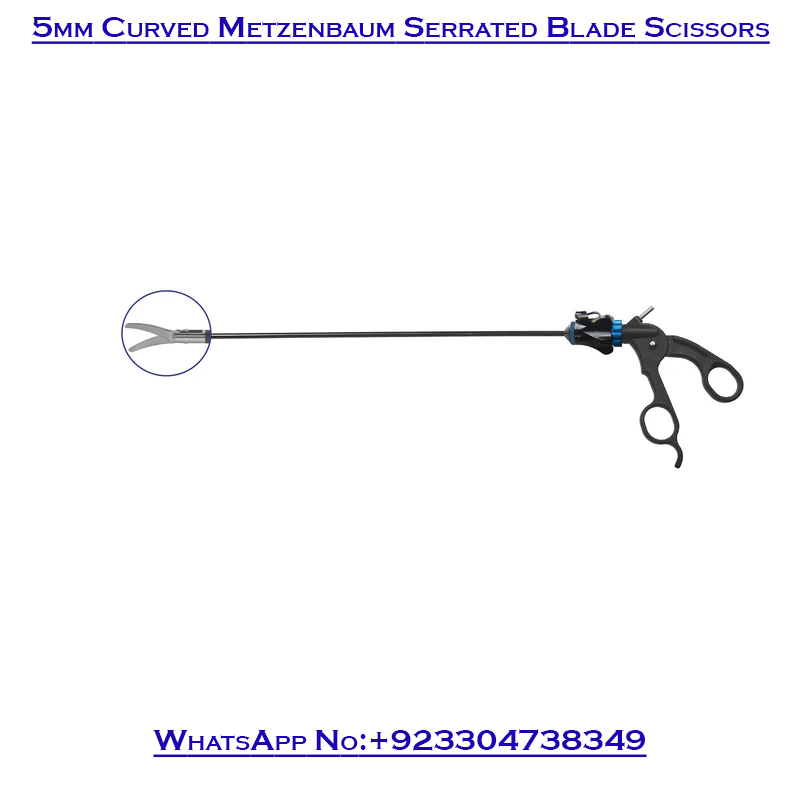
- 5mm Curved Metzenbaum Serrated Blade Scissors Size: 5mm*36cm 5mm*45cm
-
-
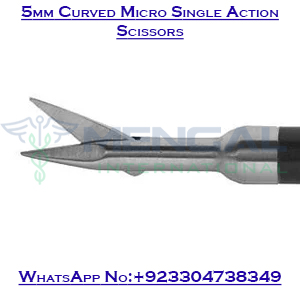
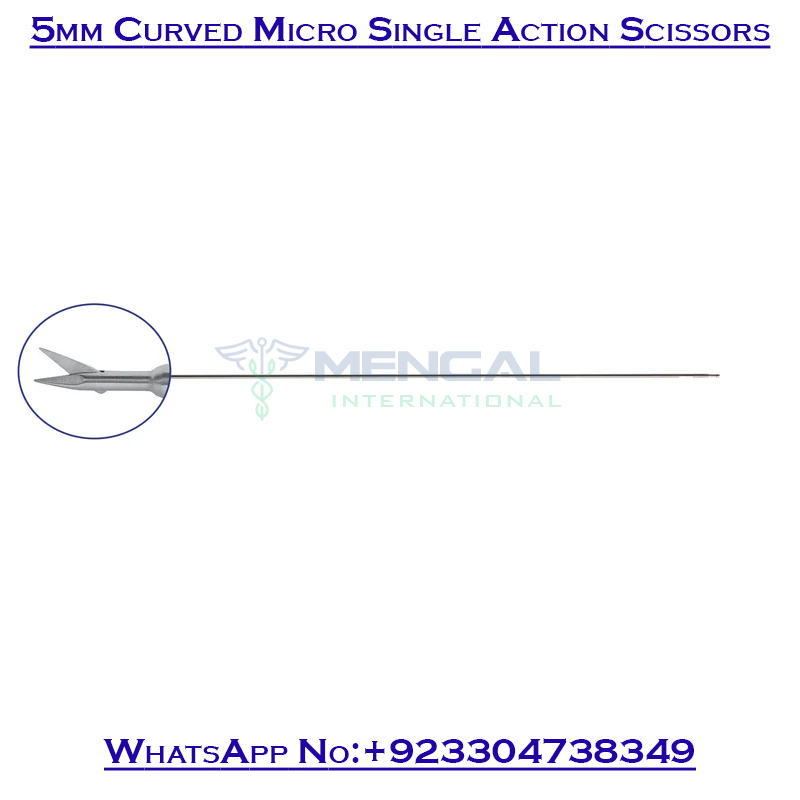
- The Micro, curved scissor can be used in any procedure where very small, precise cuts are required. Its most common usage is making the small incision in the cystic duct required for Cholangiography. The sharp tip makes the initial "stab" easier, then the fine tips can extend the incision. Size: 5mm*36cm 5mm*45cm
-
-
- The DeBakey pattern is a nice alternative to the Long Fenestrated as a Bowel Cross Clamp. DeBakey Teeth were developed to clamp blood vessels and are extremely atraumatic. Size: mm*36cm 5mm*45cm
-
-
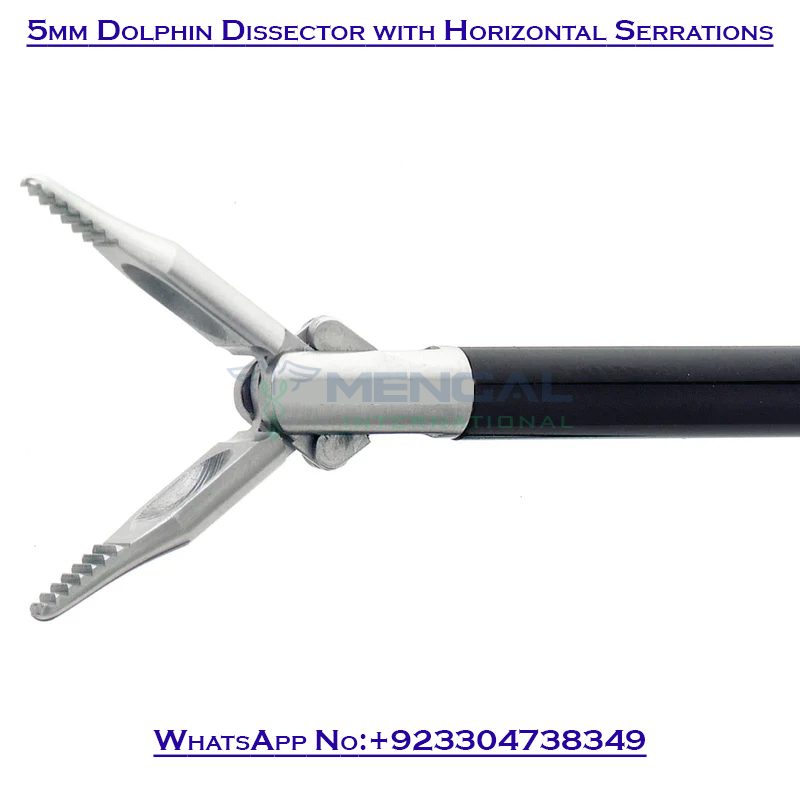
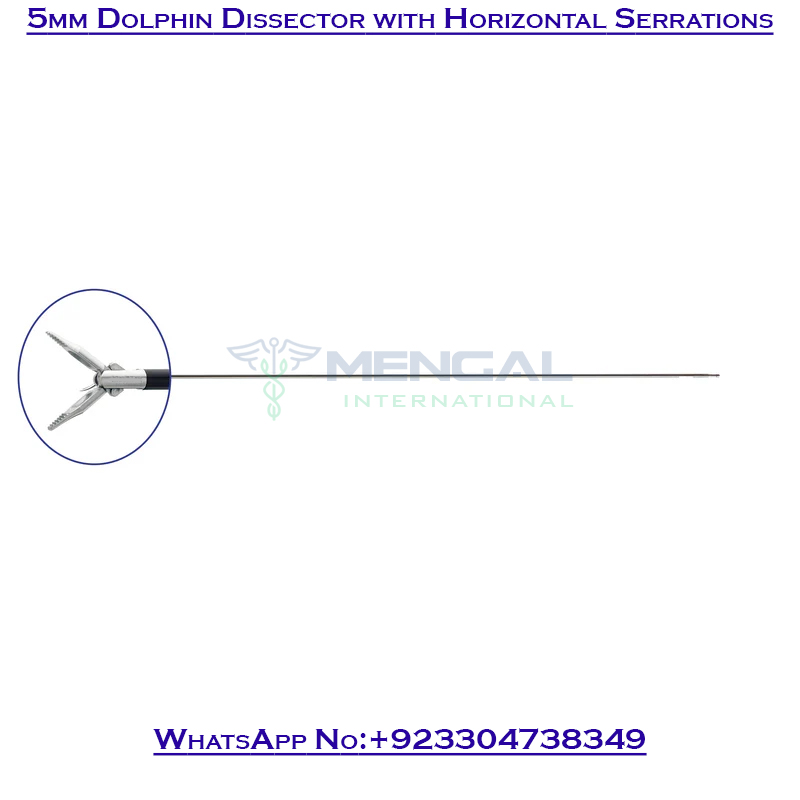
- Many surgeons who prefer a straight, fine-tipped dissector utilize the Dolphin-Nosed design because of its overall strength relative to the fine tip. This is due to the much wider section just below the fine tip. Also called a "Bottle-Nosed" dissector. Size: 5mm*36cm 5mm*45cm
-
-
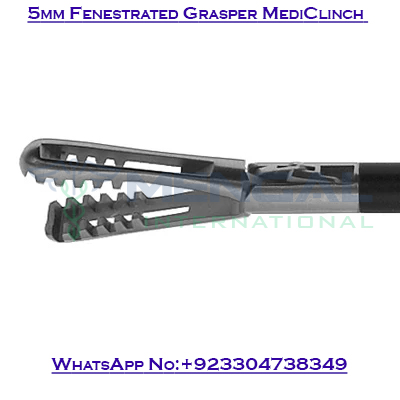
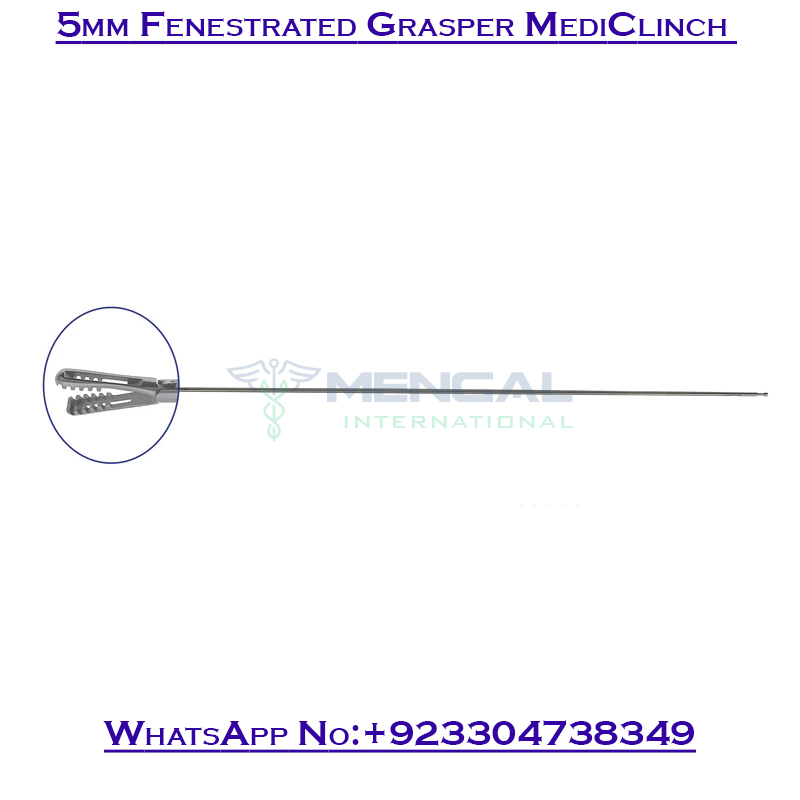
- A widely used semi-aggressive pattern, the MediClinch is with more rounded teeth so it can be used on tissue such as stomach wall and "normal" gall bladders. Size: 5mm*36cm 5mm*45cm
-
-
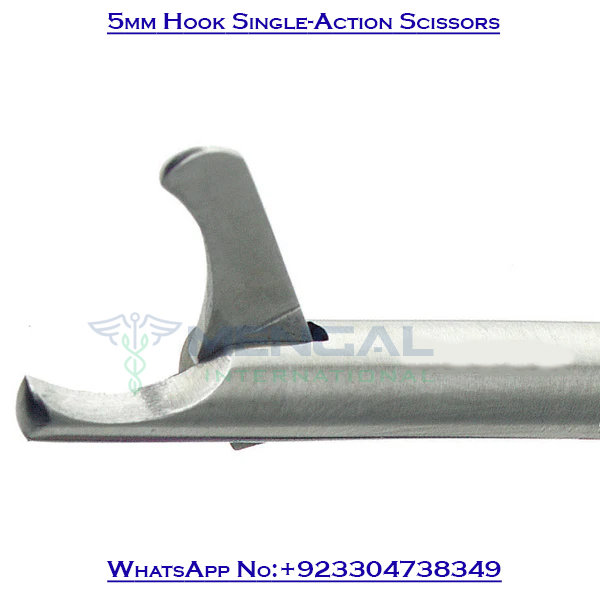
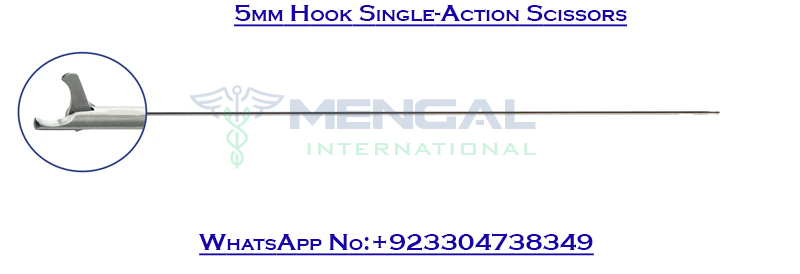
- The Hook Scissor is arguably the oldest working Laparoscopic Scissor. Early Gynecologic Laparoscopists found that the heavy tubular structures found in the female pelvis tended to slip out the ends of other scissors as the tissue was cut. The hook scissor was developed to reach around a structure and entrap it as it was cut. It was also designed as…
-
-
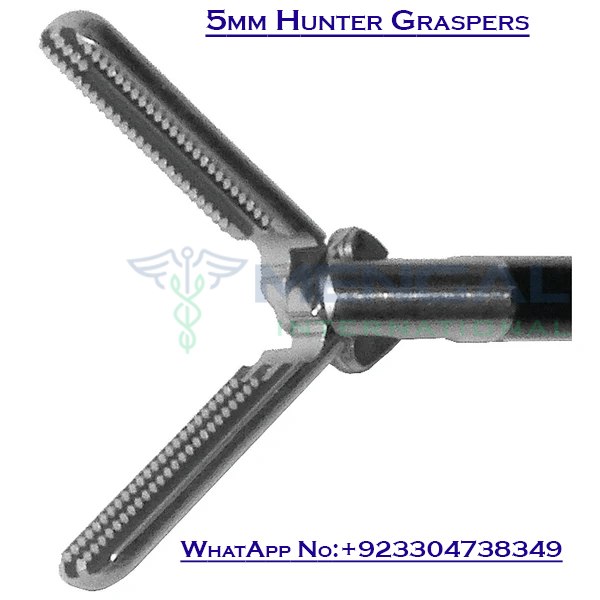
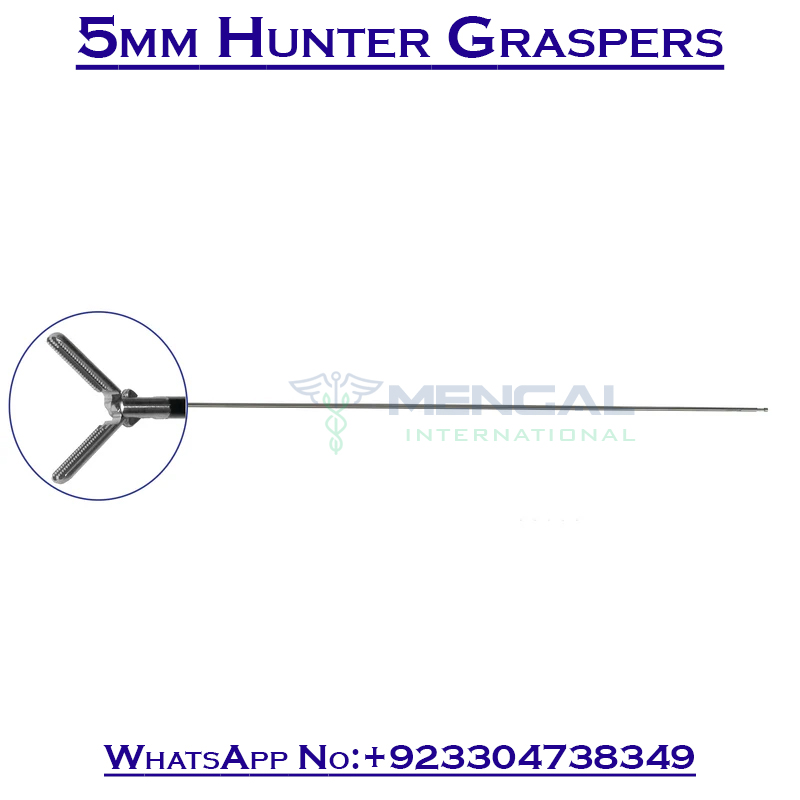
- The Hunter pattern has very atraumatic,vascular-styled teeth and can be used on a wide variety of tissue in virtually all laparoscopic procedures. Size: 5mm*36cm 5mm*45cm
-
-
- This length is more appropriate as a Large Bowel Grasper or Cross Clamp Size: 5mm*36cm 5mm*45cm
-
-
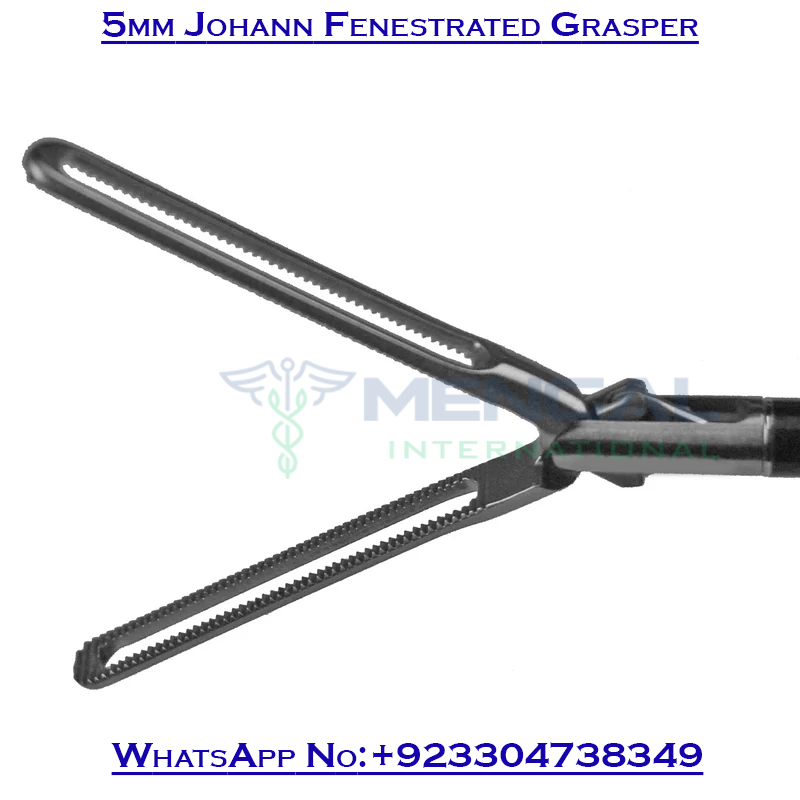
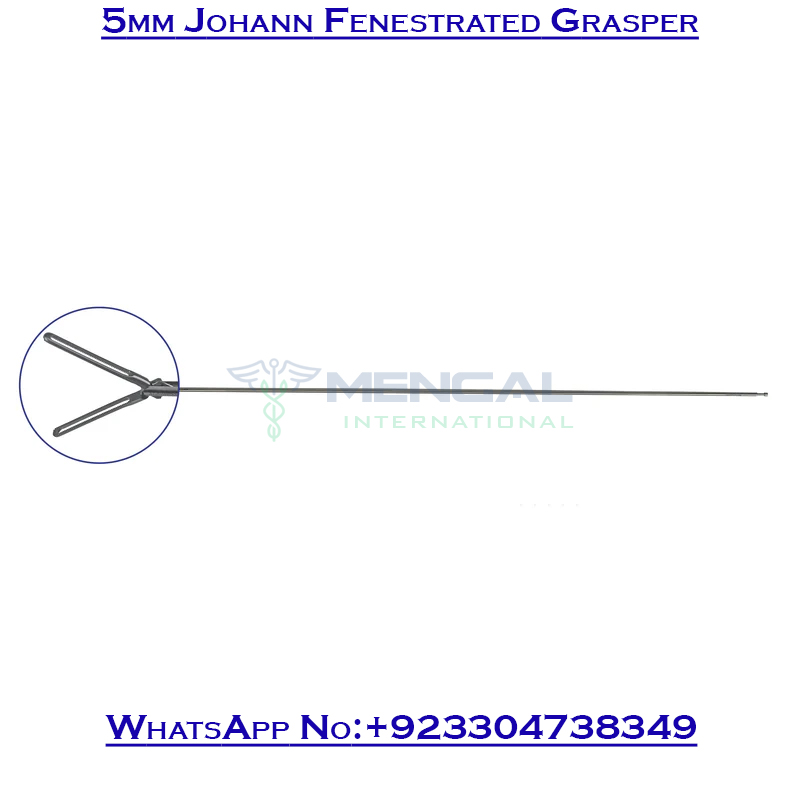
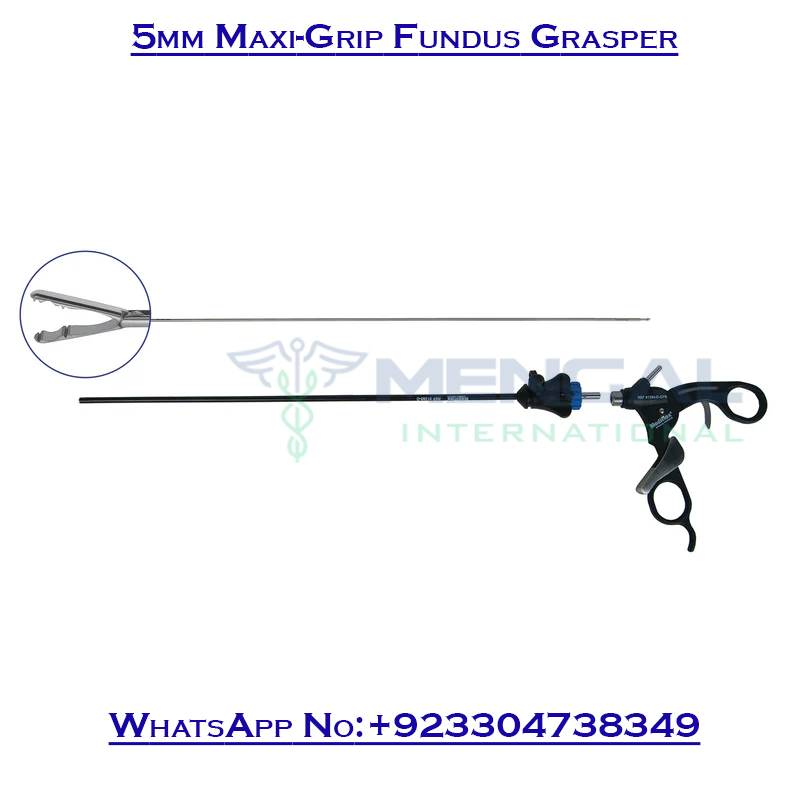
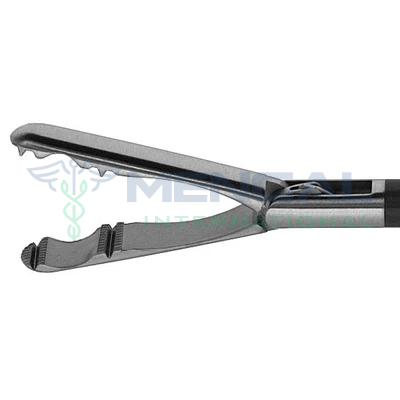
- Also known as a Fundus Grasper, this pattern was developed for holding the body (fundus) of the gall bladder during Laparoscopic Cholecystectomies. Its cross serrations and two cut-outs create a very secure yet fairly atraumatic grip on most gall bladders. This pattern is best for thick-walled or very large gall bladders. Size: 5mm*36cm..... 5mm*45cm
-
-
- The delicate tip of the jaw can be used to grab just a small bit of tissue while the end of the jaw can be when a larger piece needs to be grasped. Can also be used to reach around a structure to grab a suture, drain or other device that needs to be wrapped around the structure. Size: 5mm*36cm…
-
-
- This is a down-sized version of the 10mm stone retrieval forceps. But, in addition to use with Gall Bladder procedures, it is still used as a biopsy forceps in Gynecology. Size: 5mm*36cm 5mm*45cm
-
-
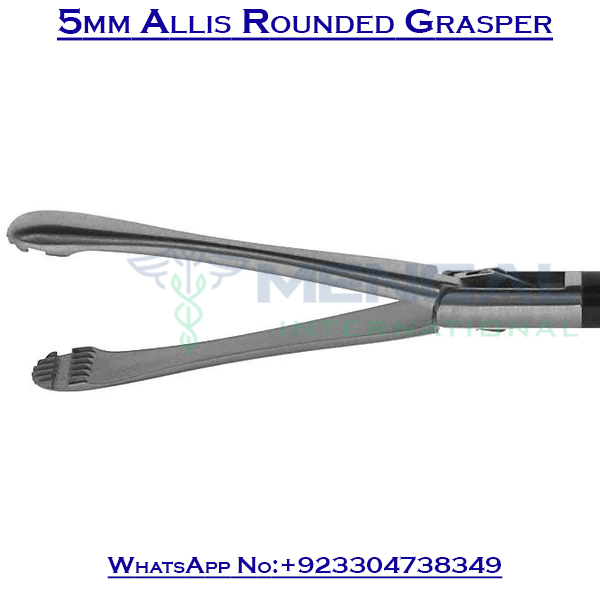
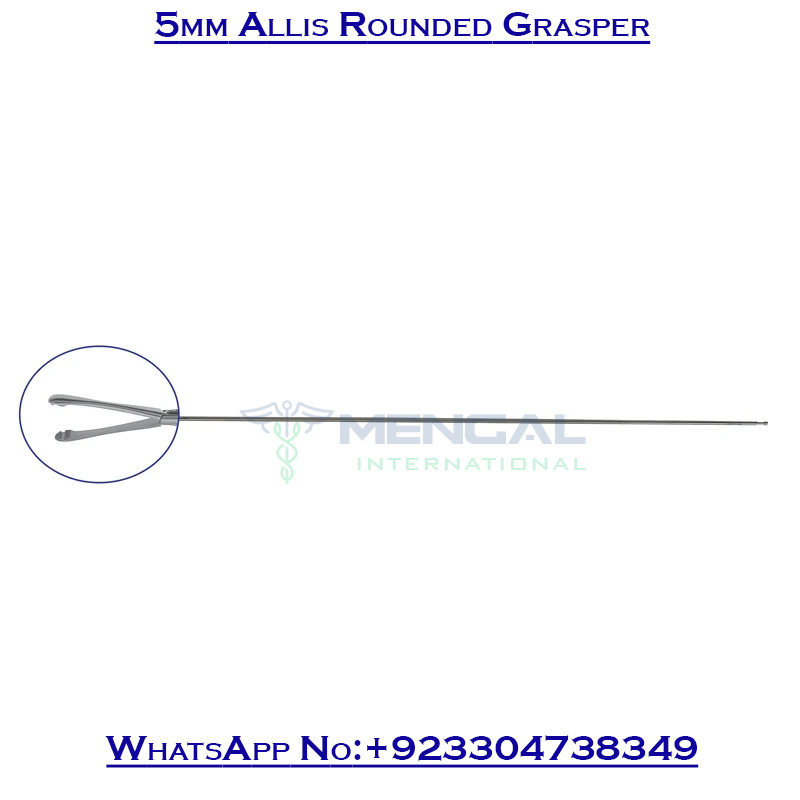
- This pattern has been used since the early days of GYN Laparoscopy and is still found in many Laparoscopy Sets. It not only serves a good basic grasping forceps for manipulating tissue and organs, but it can also be used for dissection. Size: 5mm*36cm 5mm*45cm
-
-
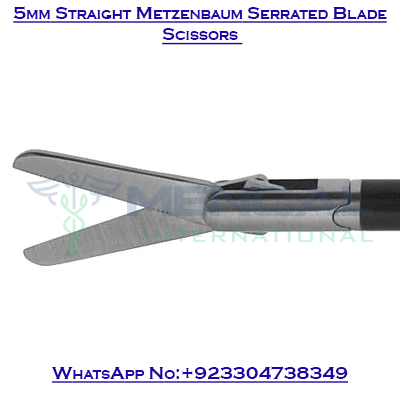
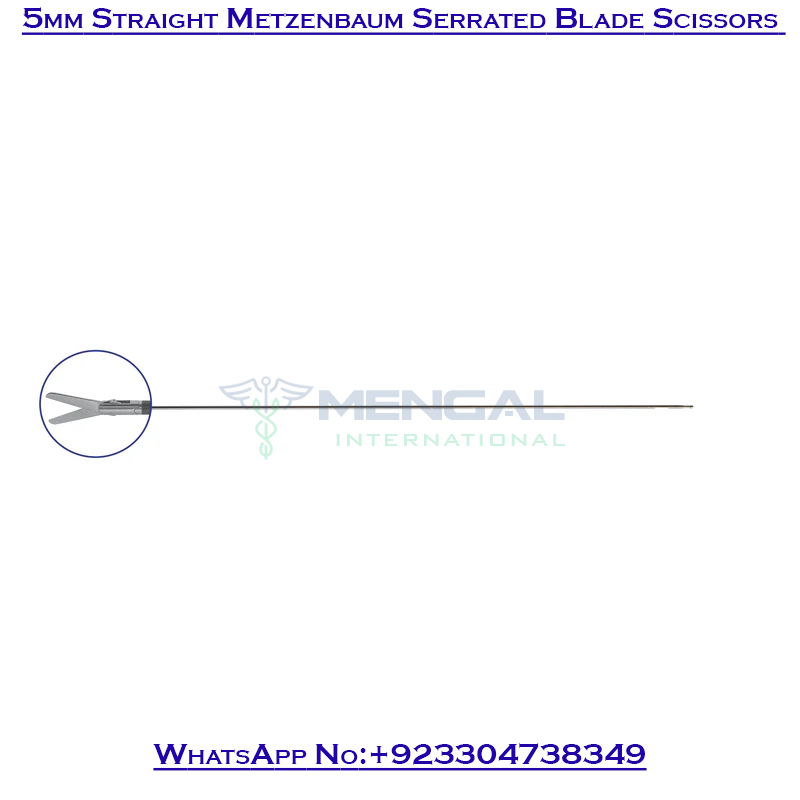
- A Straight-bladed Metzenbaum can be used like the curved for cutting tissue and for blunt dissection, but some surgeons have an issue with not being able to see the tip as easily. Its most important use is for cutting suture. Size: 5mm*36cm 5mm*45cm
-
-
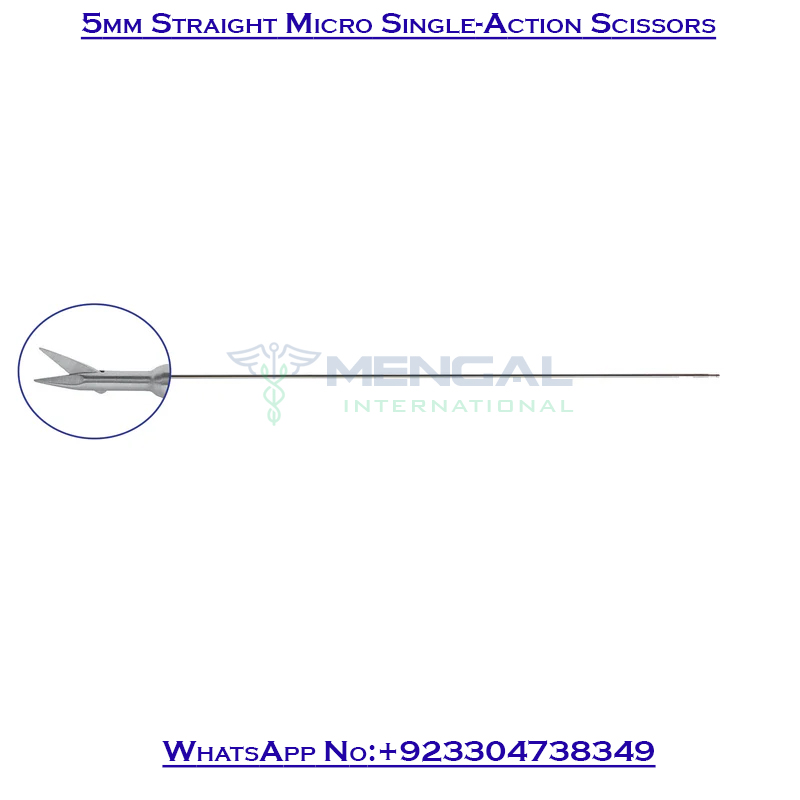
- The Micro Scissor can be used in any procedure where very small, precise cuts are required. Its most common usage is making the small incision in the cystic duct required for Cholangiography. The sharp tip makes the initial "stab" easier, then the fine tips can extend the incision. Size: 5mm*36cm 5mm*45cm