Skip to content
-
-
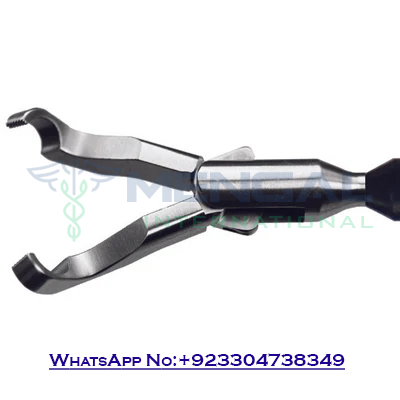
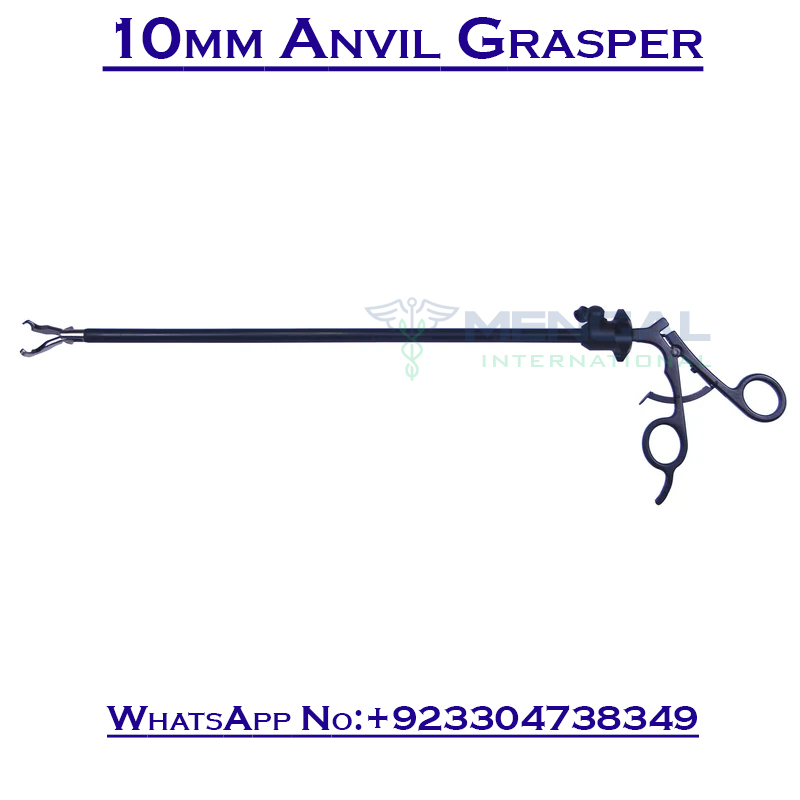
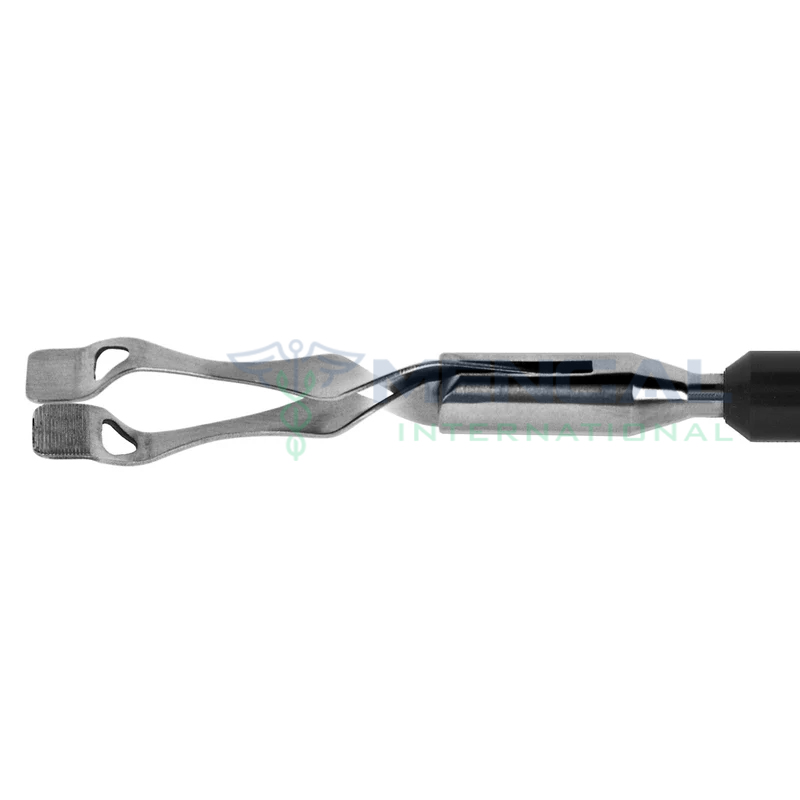
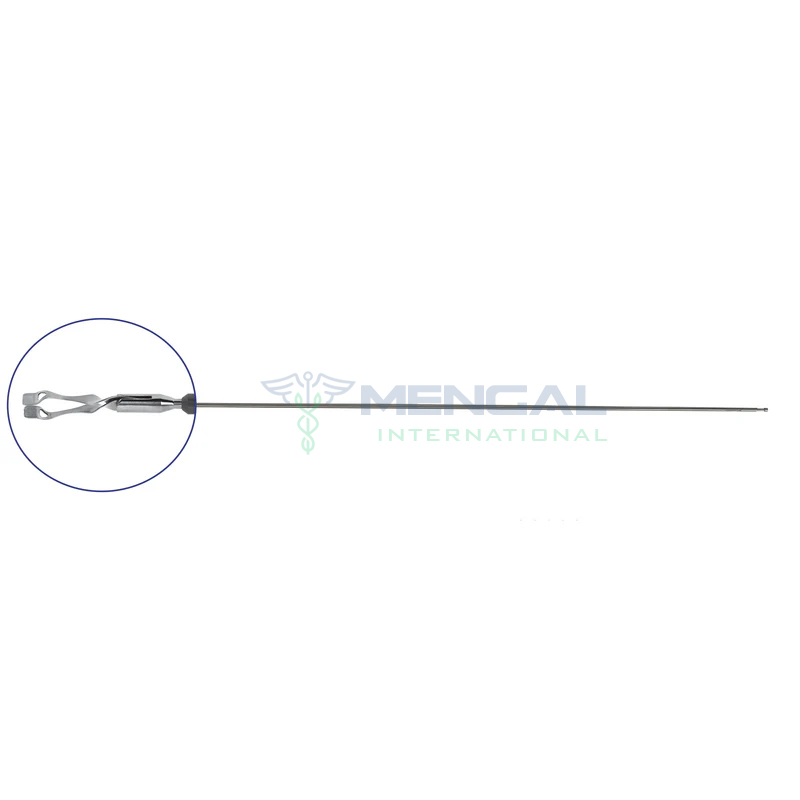
- This is a very specialized device. It is designed to do one thing; hold the rod of the anvil in laparoscopic procedures that utilize a circular stapling device. Size: 10mm*36cm 10mm*45
-
-
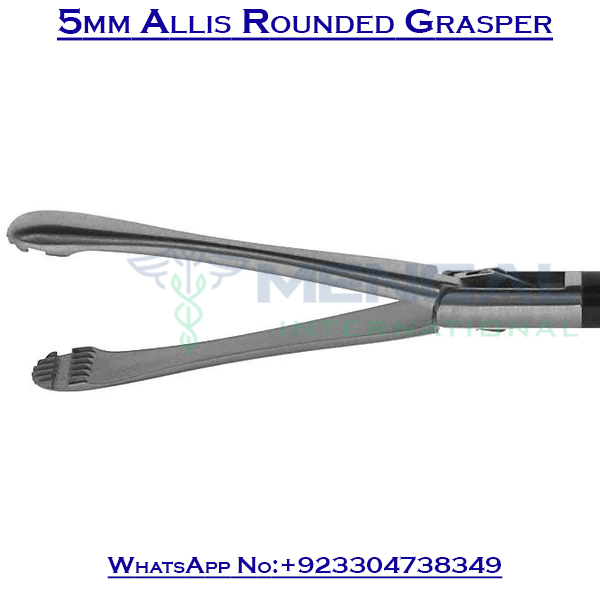
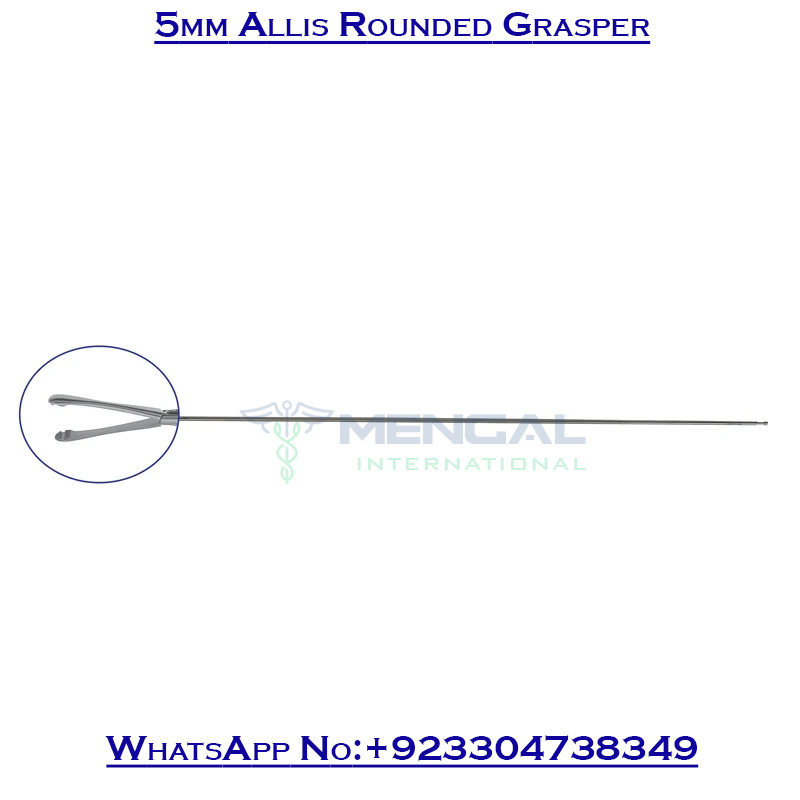
- Perhaps this is the most atraumatic Babcock available. In addition to the "paddle" jaws which spread the force out to a larger surface, the shanks of the jaw twist in a way that causes the tips to bend out away from tissue when additional force is applied to the handle. Size: 5mm*36cm 5mm*45cm
-
-
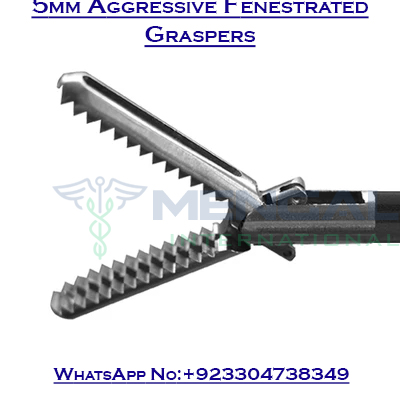
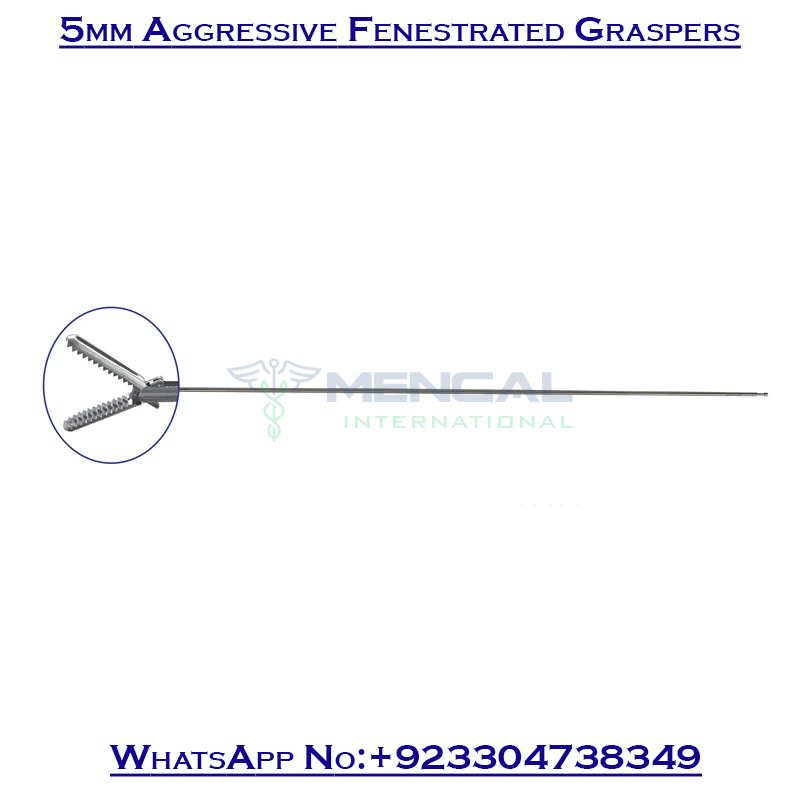
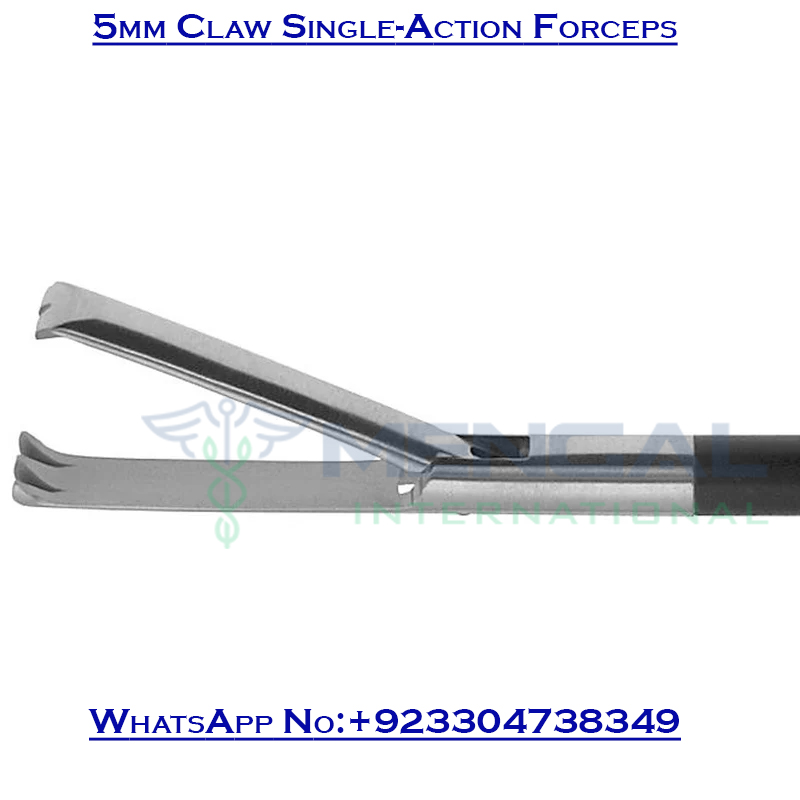
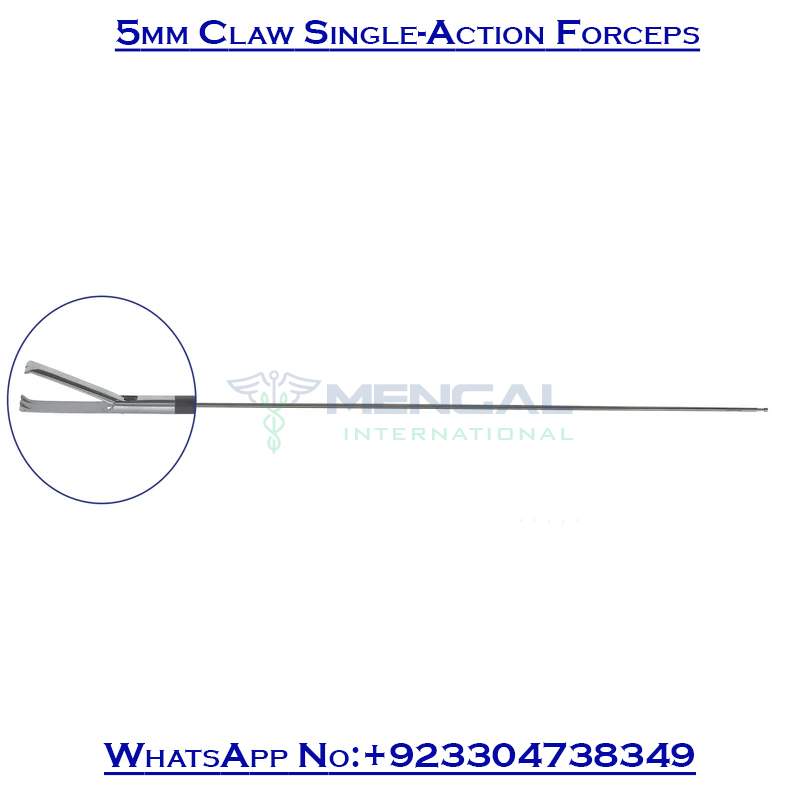
- The longer teeth on the serrations of this pattern make it more aggressive and its use should be limited to thick walled gall bladders, heavy gyn tissue and organs that will be removed. Size: 5mm*36cm 5mm*45cm
-
-
-
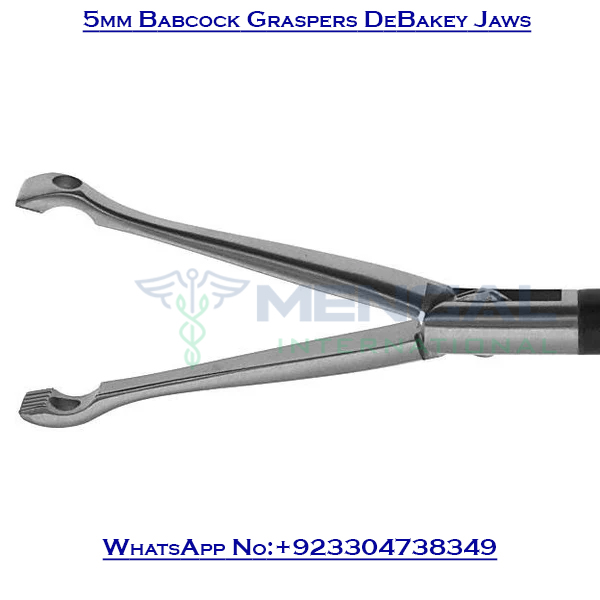
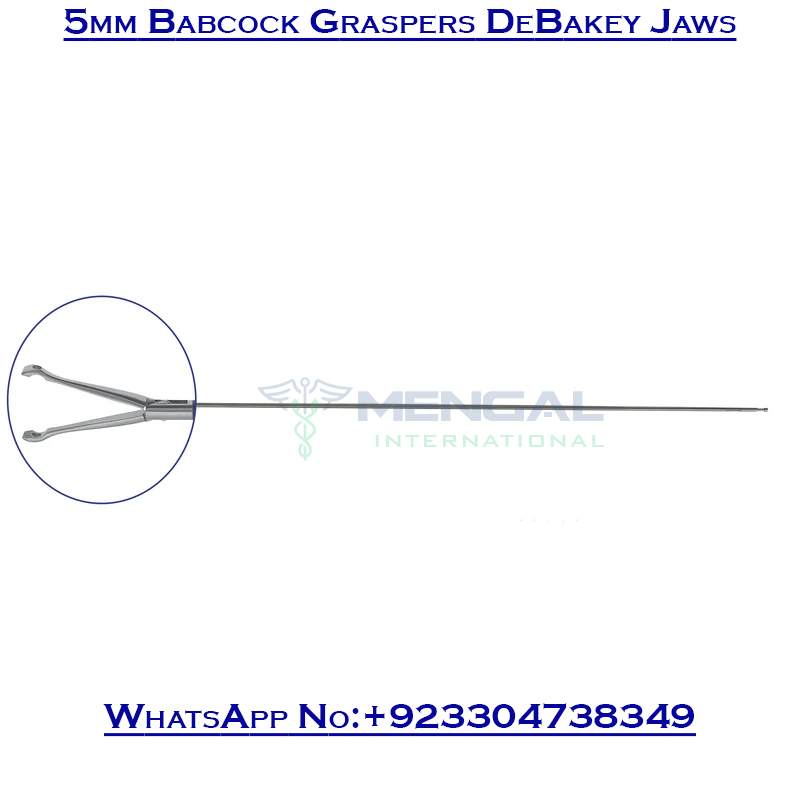
- Like the Allis Tissue Forceps, the Babcocks have evolved from a traditional surgical instrument. Traditionally used on Gastric and Intestinal Tissue, they are found in virtually all Bariatric, Colon, and Rectal and Abdominal sets. The Deluxe line features very atraumatic DeBakey Vascular Jaws. The two-piece line has serrated jaw. Size:5mm*36cm 5mm*45cm
-
-
- This is a down-sized version of the 91605 for use on Gall Bladders done with all 5mm (or smaller) instruments. This pattern can also be used as a tissue forceps Size: 5mm*36cm 5mm*45cm
-
-
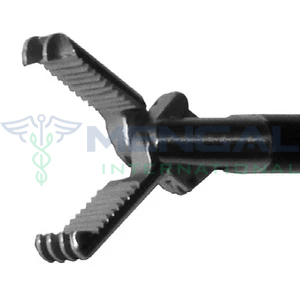
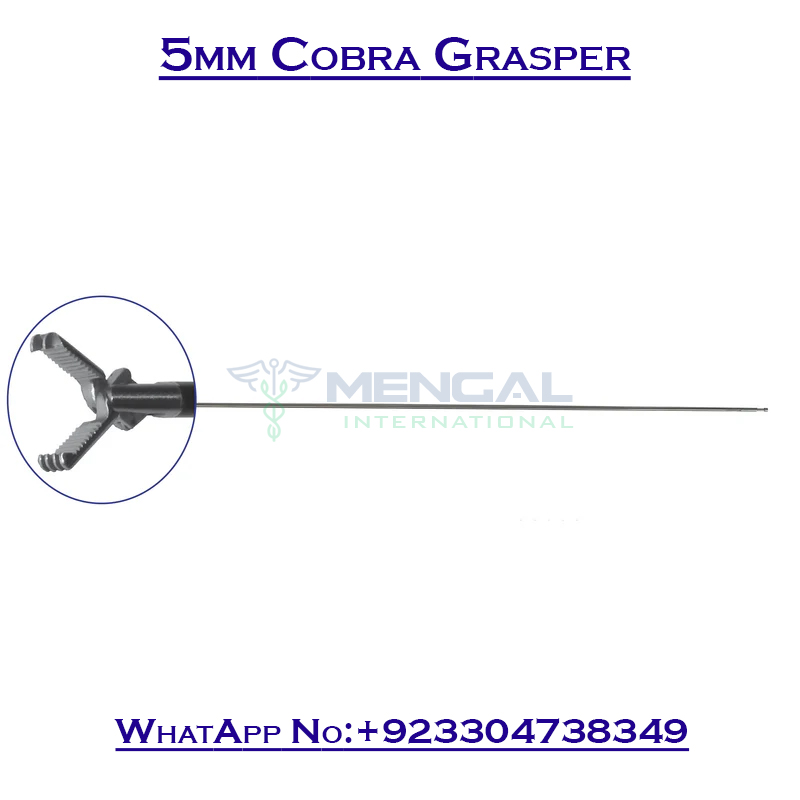
- The Cobra has somewhat aggressive teeth and can still be used on most tissue in the abdomen. It acts very much like a tissue forcep in open surgery. However, like open surgery tissue forceps, the surgeon will only take very small "bites" of the peritoneum covering the target tissue. Often called a "Retention Grasper" Size: 5mm*36cm 5mm*45cm
-
-
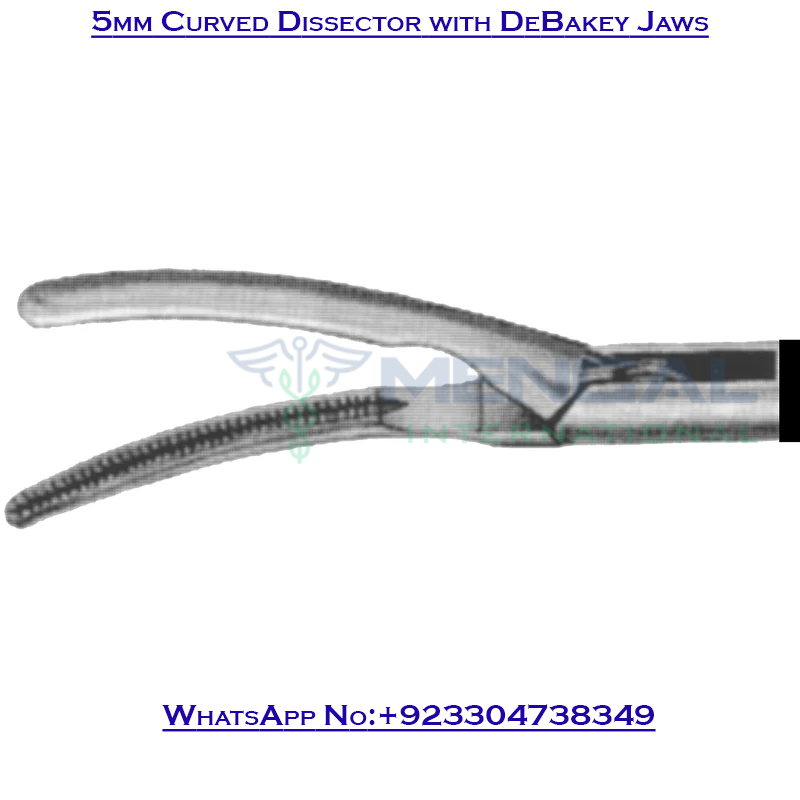
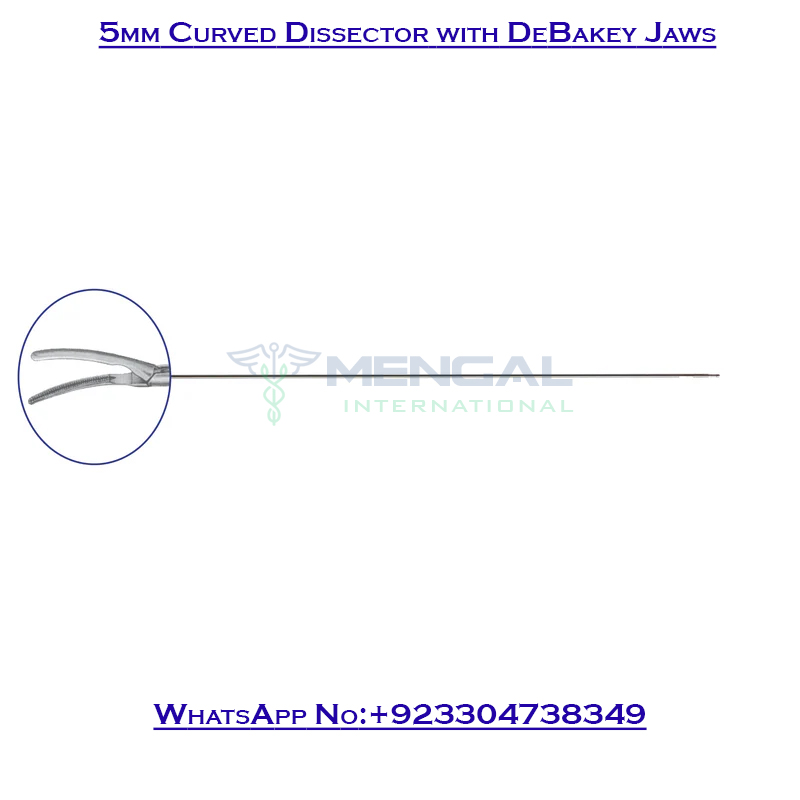
- The jaws of this dissector have DeBakey teeth. These teeth were originally designed to clamp across blood vessels and are extremely non-traumatic. As such they can be used to grasp blood vessels and bowel with little concern for damage. They are used by all specialties. Size: 5mm*36cm 5mm*45cm
-
-
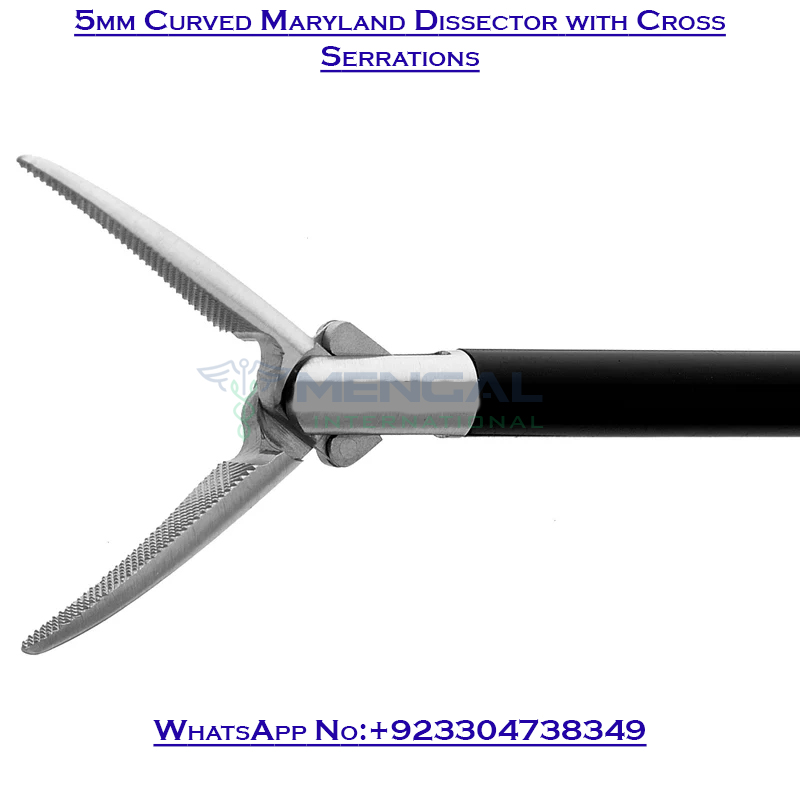
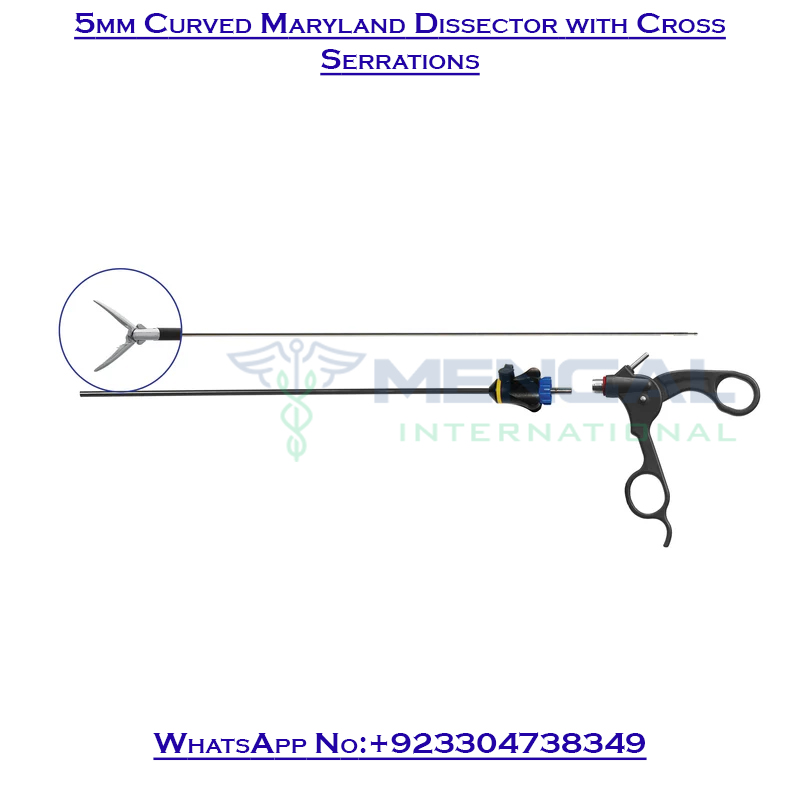
- This is the most commonly used dissecting forceps in laparoscopic surgery. Usually known as a Maryland, some surgeons call it a Crile. It has a fine tip for grabbing a small bit of peritoneum, but a relatively long length allowing it to spread very wide when used for blunt dissection. It is often used with its monopolar feature. Used by…
-
-
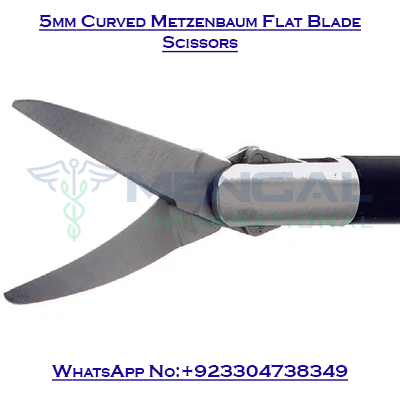
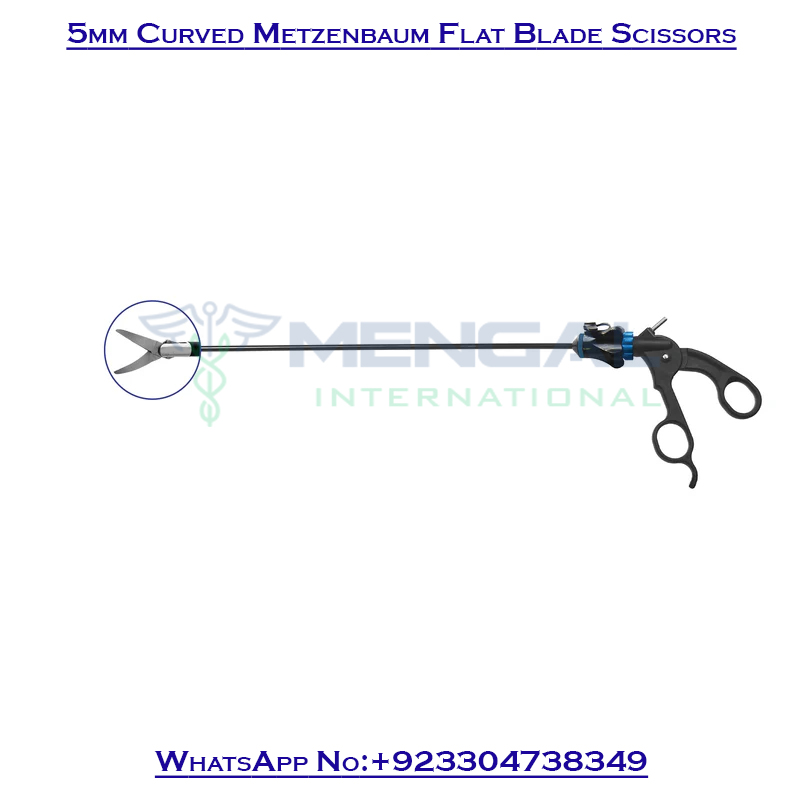
- This is the standard/cutting dissecting scissor used in laparoscopy. The flat blades allow easy insertion between tissue planes and the curve allows better surgeon observation of the tips when looking down the shaft of the instrument through a laparoscope. It is used in virtually all specialties doing laparoscopic surgery. It is often used to coagulate tissue with monopolar electrocautery. Size:…
-
-
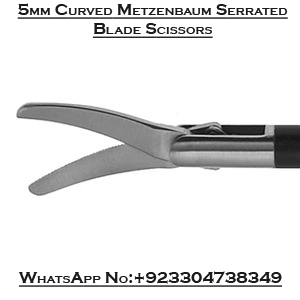
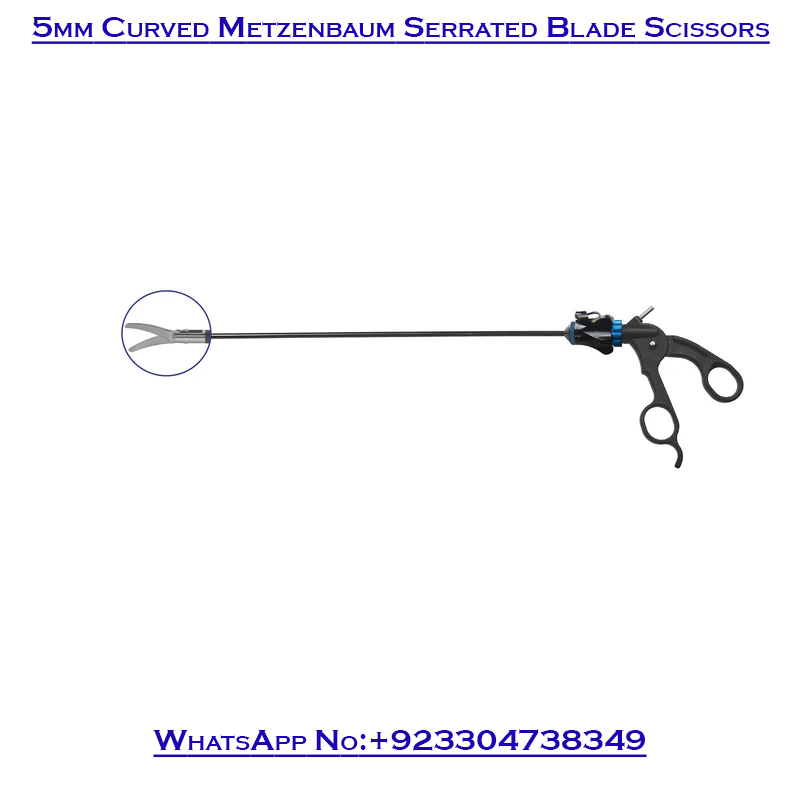
- 5mm Curved Metzenbaum Serrated Blade Scissors Size: 5mm*36cm 5mm*45cm
-
-
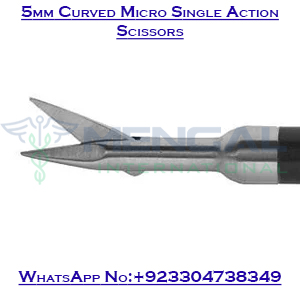
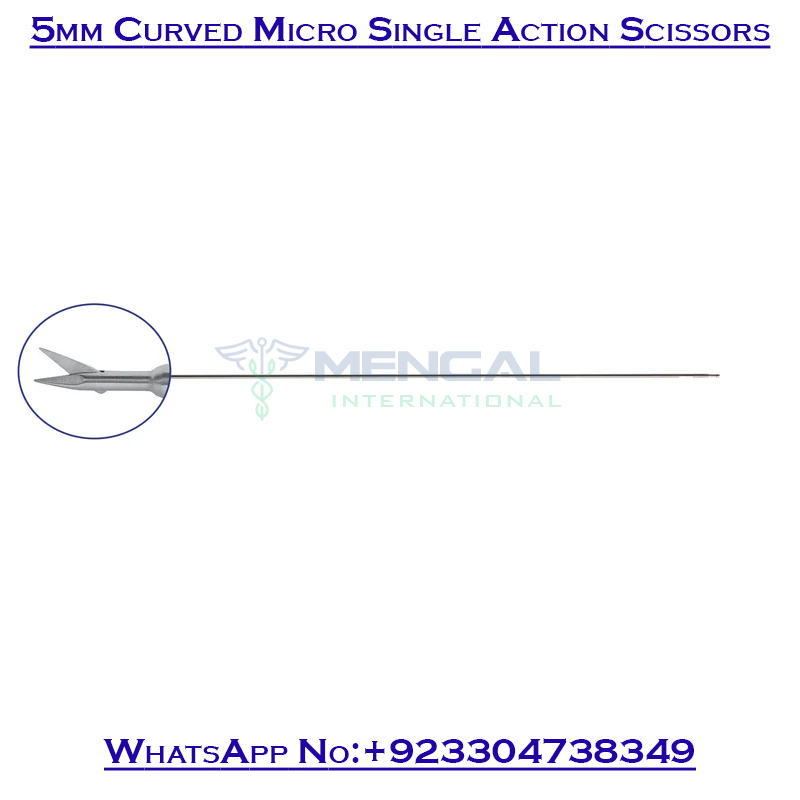
- The Micro, curved scissor can be used in any procedure where very small, precise cuts are required. Its most common usage is making the small incision in the cystic duct required for Cholangiography. The sharp tip makes the initial "stab" easier, then the fine tips can extend the incision. Size: 5mm*36cm 5mm*45cm